
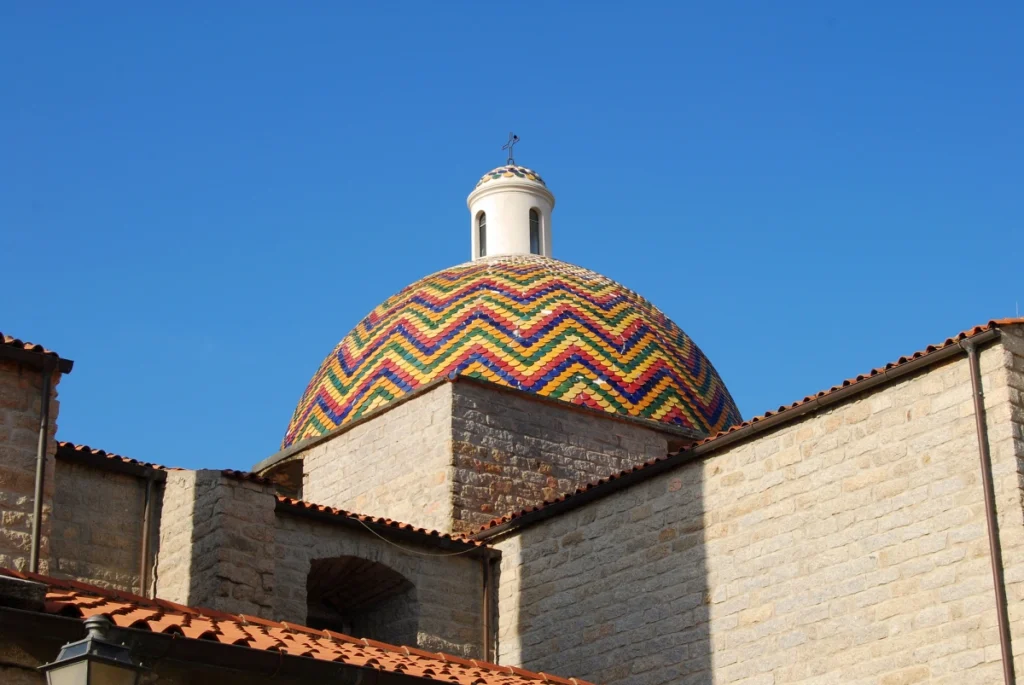
Welcome to the pearl of Gallura! If you are planning a trip to Sardinia and are looking for what to see in Olbia, you are in the right place. This guide will take you on a discovery of the 10 things unmissable that make Olbia and surroundings a magical destination of millennial history, crystal-clear sea and authentic traditions. From dreamy beaches to nuragic monuments and a lively historic centre, you will discover why this Sardinian city deserves more than just a stopover. Prepare to take notes: your journey between things to see in Olbia is about to begin.
Article Index
- What are the 10 Things Not to Miss in the City of Olbia?
- Why Visit the Olbia Archaeological Museum and the Necropolis of San Simplicio?
- What to see in and around Olbia: The Tomb of the Giants of Su Monte ’e S'Abe
- Olbia's Historic Centre: What's Hidden in the Heart of the City?
- Golfo Aranci and Capo Figari: A Breathtaking Panorama at a Stone's Throw from the City
- What to Do and See in Pittulongu and Bados Beach?
- Corso Umberto and Basilica di San Simplicio: Between Shopping and Faith
- Olbia Harbour and Waterfront: What Treasures Are Hidden Among the Ancient Ships?
- Fausto Noce Park and Pozzo Sacro Sa Testa: Nature and Archaeology at Two Strolls
- Olbia and Surroundings: Which Beaches and Nuragic Sites Shouldn't Be Missed Between Tavolara and Castello di Pedres?
1. What are the 10 Things Not to Miss in the City of Olbia?
When it comes to Olbia, one is faced with a destination that combines picture-postcard beaches, unique archaeological sites and a vibrant city life. The municipality of Olbia, located in the heart of the Gallura, has a history that starts with the Phoenicians and up to the present day, passing through the Romans and the Middle Ages. Among the best things to see stand out Olbia Archaeological Museum, the Basilica of San Simplicio (patron saint of the city) and the beaches of Pittulongu. But not only that: the island of Tavolara, visible from the waterfront, and the remains of the Nuragic civilisation such as the Sa Testa sacred well make Olbia and surroundings a very rich territory.
In this guide to 10 things not to be missed, we will explore every significant corner: from the centre of Olbia with its Corso Umberto, archaeological sites such as the tomb of the giants of Su Monte ’e S'Abe, to the creeks where you can practice snorkelling in transparent waters. Whether you only have a weekend or a whole week, these 10 things will allow you to savour the most authentic essence of this land.
Dolphin sighting from Golfo Aranci
Besides beaches and archaeology, there is one experience that will make your trip unforgettable: the’dolphin sighting in the crystal-clear waters between Aranci Gulf, Cape Figari and the island of Tavolara. The departure takes place from the picturesque port of Aranci Gulf, only 15 minutes from Olbia. On board comfortable and safe dinghies, you will be accompanied by marine biologists and skippers who know every nook and cranny of this marine protected area, one of the most important cetacean sanctuaries in the Mediterranean.
The excursion lasts about 2-3 hours and will take you to explore the waters that bathe Cape Figari for dolphin spotting. During navigation, you will have a good chance of encountering pods of common or bottlenose dolphins, which often approach the boats curiously. Nautical Service uses non-invasive sighting techniques, fully respecting the animals and their habitat. In addition to dolphins, you can observe sea turtles, minke whales (in the spring period) and a myriad of seabirds such as shearwaters and herring gulls. The snorkelling is included in one of the stages, with stops at coves accessible only by sea where one can swim in pristine turquoise waters.
2. Why visit the Olbia Archaeological Museum and the Necropolis of San Simplicio?
Visiting the Olbia Archaeological Museum means immersing oneself in a journey of over 3,000 years. The Olbia Archaeological Museum, located in the former military bakery in the old port, houses extraordinary finds from the Necropolis of San Simplicio and urban excavations. Here you can admire the ancient ships found in the Roman port, amphorae, coins and objects of daily life that tell of the trade between the Phoenicians, Carthaginians and Romans. It is an essential stop for those who want to understand the history of Olbia before even walking its streets.
Not far away, the Necropolis of San Simplicio offers a direct glimpse into the past. It is a Roman and early Christian burial area with chamber tombs and sarcophagi in granite local. But the real jewel is the Basilica of San Simplicio, consecrated in the 11th century and considered one of the best examples of Pisan Romanesque in Sardinia. The patron saint of the city rests here, and the church still retains traces of the ancient mosaic floor. The dome and the two side aisles create a solemn atmosphere. Don't forget to look at the bell tower, built with granite blocks from a Roman temple dedicated to Hercules (whose archaeological site is located near the port).
3. What to see in and around Olbia: The Tomb of the Giants of Su Monte ’e S'Abe
A few kilometres from the downtown, southwards, rises one of the most impressive nuragic monuments in Gallura: the famous tomb of the giants of Su Monte ’e S'Abe. This tomb of the giants dates back to’Nuragic period (circa 1500 BC) and is a perfect example of collective funerary architecture. The name “giants” does not refer to legendary beings, but to the statues that once decorated the entrance (now reconstructed copies). The structure features a long stone burial chamber, a semicircular exedra and a central stele with a small hole - the “soul door” - through which gifts were offered to the deceased.
Visit this archaeological site will make you feel the weight of the nuragic civilisation, mysterious and advanced. Not far away is the nuraghe Riu Mulinu, another less impressive but very authentic Nuragic complex, surrounded by holm oaks and Mediterranean scrub. To reach the tomb, follow the signs for “Su Monte ’e S'Abe” from the centre of Olbia; entrance is free and the place is quiet, ideal for a break immersed in history. If you love archaeology, combine this visit with the Sa Testa sacred well (described below) to get a complete picture of the see in and around Olbia in a Nuragic key.
4. Olbia's Historical Centre: What's Hidden in the Heart of the City?
Walking in the historic centre of Olbia is like leafing through an open-air history book. The cobbled streets of the old village, around Piazza Regina Margherita, preserve houses in the style Gallurese with wrought-iron balconies and exposed granite walls. Although World War II bombing wiped out part of the medieval fabric, enchanting corners remain, such as the St Paul's Church, built on the remains of a place of worship early Christian. The Baroque façade and the bell gable tower are worth a photo stop.
The real beating heart, however, is Corso Umberto, the good living room of Olbia. This almost one-kilometre-long pedestrian street connects the central square to the harbour and is lined with shops, historic cafés and pastry shops where you can taste typical sweets Sardinians such as seadas or papassinas. Here you can breathe the modern soul of the city, but just turn into a side street to find ancient silences. Don't miss the covered civic market (open in the morning) to buy pecorino cheese, carasau bread and strawberry tree honey. The centre of Olbia is also the ideal starting point for organising trips to Olbia and surroundings, due to the proximity of the bus station.
5. Golfo Aranci and Capo Figari: A Breathtaking Panorama at a Stone's Throw from the City
Moving northwards, just 15 minutes' drive from Olbia, we meet Aranci Gulf, a fishing village that owes its name to the shape of its natural harbour (once rich in red coral). Aranci Gulf is famous for its fine sandy beaches and trekking on the promontory of Cape Figari, a protected area where wild donkeys and rare birds of prey live. From the summit (reached by a one-hour walk) you can enjoy a breathtaking panorama on the gulf, on the island of Tavolara and on the Costa Smeralda. Le things to see in and around Olbia absolutely include this excursion.
The waters of Aranci Gulf are ideal for swimming and snorkelling, especially on the Sassi beach or at Cala Moresca. The seafront is dotted with fish restaurants where you can try lobster Catalan style (a local speciality). If you are travelling with children, don't miss the little train that connects the village to the old railway station, now a museum of miniature trains. Finally, daily excursions depart from the dock to TavolaraThe island, which was an independent kingdom in the 19th century, is a paradise for divers and nature lovers. Remember to book in advance during the summer months.
6. What to Do and See in Pittulongu and Bados Beach?
North of Olbia, the coast opens up in a succession of golden coves. The most famous is Pittulongu (or “Playa del Istmo”), a beach over a kilometre long with white sand fine and turquoise water. Pittulongu is easily accessible by bus from the centre (line 2 or 4) or by car (free parking available, but limited in high season). The beach is equipped with bathing establishments offering sun loungers and parasols, but there are also large free stretches. The seabed slopes gently, making it perfect for families.
A little further south is the Bados beach, wilder and frequented by surfers because of the constant winds. Bados Beach is less crowded than Pittulongu and offers a direct view of the island of Tavolara. Here you can rent kayaks or sup and explore the small caves along the coast. In the evening, the waterfront of Pittulongu comes alive with chiringuiti on the sand and live music. Among the best things to see in this area is also the Tower of Pedres, an imposing 16th century Spanish fortress located on a hill between Pittulongu and the airport. La central tower can be visited and from its summit you can enjoy a sea view 360 degrees.
7. Corso Umberto and Basilica di San Simplicio: Between Shopping and Faith
Corso Umberto is not just the shopping street: it is the thread that links modern life in Olbia to its religious roots. Starting from the war memorial and descending towards the sea, you will encounter Art Nouveau buildings, small squares with granite fountains and craft shops where you can buy ceramics and knives Sardinians. In the mornings it is pleasant to stroll among the market stalls, while in the evenings the corso is filled with aperitifs and music. Be sure to try a homemade ice cream sitting on the steps of St Paul's Church.
At the north end of Corso Umberto stands the Basilica of San Simplicio, the most beloved monument of the people of Olbia. Built between the 11th and 12th centuries in the Pisan Romanesque style, the basilica was built on an earlier early Christian necropolis. The façade is simple but majestic, with blind arcades and a central rose window. Inside, with three naves divided by granite columns, there is a place of worship basement (crypt) and a lapidary museum. San Simplicio, patron saint of the city, is celebrated on 15 May with a procession from the basilica to the port. For those seeking things to see in Olbia on a historical-religious level, this visit is unmissable.
8. Olbia Harbour and Waterfront: What Treasures Are Hidden Among the Ancient Ships?
The port of Olbia is one of the busiest ports of call in the Mediterranean, the starting point for ferries to Civitavecchia, Genoa and Piombino. But few people know that beneath the modern quaysides lies a perfectly preserved Roman port. During excavations for the construction of the new terminal, five ancient ships, including an honorary ship from the 2nd century A.D. laden with amphorae. Today part of these finds are on display in the Archaeological Museum, but the submerged shipyard is visible through a glass walkway on the ground floor of the cruise terminal.
The Olbia seafront, which stretches from the harbour to the Isthmus beach, is a perfect place for a sunset stroll. The best fish restaurants and historic ice-cream parlours can be found here. From the quay on Via Porto Romano you can admire the silhouette of Tavolara and, on a clear day, Corsica. The waterfront also hosts a summer night market with local crafts. For those seeking the right mix of history, relaxation and nightlife, the harbour and its waterfront offer one of the best things of the city.
9. Fausto Noce Park and Pozzo Sacro Sa Testa: Nature and Archaeology at Two Strolls
In the urban heart of Olbia, the Fausto Noce Park represents the Olbia Green par excellence. At 12 hectares, this public park is the largest green area in the city: mature trees, artificial ponds, walking and cycling paths, playgrounds and even an open-air amphitheatre. It is the ideal place for a regenerating break after visiting the city centre, perhaps with a picnic in the shade of the domestic pines. The park is named after Fausto Noce, a Sardinian partisan and politician.
Just 3 km from the centre, heading south-west, lies one of the most fascinating archaeological sites in Sardinia: the Sa Testa sacred well. It is a unique nuragic structure dating back to the Middle Bronze Age (1500-1300 BC). The Sa Testa sacred well is a well temple dedicated to the cult of water, with a flight of 25 granite steps leading down to the underground chamber, still partially filled with water. The dome tholos (false dome) is perfectly preserved. According to archaeologists, this place of worship was linked to fertility and healing rituals. Admission is cheap (about 3 euro) and the site is well signposted.
10. Olbia and Surroundings: Which Beaches and Nuragic Sites Shouldn't Be Missed Between Tavolara and Castello di Pedres?
We conclude our journey with a taste of what can be explored in the Olbia surroundings within the day. The island of Tavolara, visible from every corner of the gulf, is a protected marine reserve. To visit it, take a boat from the port of Olbia or by Aranci Gulf. Once on the island, you can trek to Monte Cannone, visit the small cemetery of the kings of Tavolara and swim in the Pool of Venus, a natural lagoon. Don't expect equipped beaches: wild nature reigns here.
On the mainland, don't miss the Pedres Castle (often erroneously called “Pedres Castle”), a medieval fortress located on a tuffaceous hill a few minutes from Pittulongu. Although it is of Roman origin (a lookout base), the present structure dates back to the 13th century. The climb is short but steep; from the top the sea view ranges from the Gulf of Olbia until Cape Ceraso. Other noteworthy nuragic sites are the nuraghe Riu Mulinu (easy to reach) and the ruins of a Roman temple dedicated to Hercules, located just behind the industrial port. For nature lovers, the Valley of the Moon (near San Pantaleo) offers granite formations shaped by the wind. Finally, archaeology enthusiasts cannot overlook Cabu Abbas, a Roman settlement just outside the city with remains of baths and cisterns.
Bonus Tip: A trip to La Maddalena from Palau
One of the most enjoyable experiences to organise during a holiday in Olbia is a day trip to the La Maddalena Archipelago. From Olbia, you can reach Palau by car or by transfer and set off from the harbour to visit some of the National Park’s most famous islands, such as La Maddalena, Spargi, Budelli and Santa Maria.
For those who prefer an organised trip with scenic views, without having to hire a dinghy or navigate the boat themselves, Petagus offers a Organised excursion to the La Maddalena Archipelago, departing from Palau, ideal for families, couples and groups who want to explore the archipelago on a day trip.
Key Points to Remember
- Olbia is a complete destination combining sea, history and traditions sardines in a single journey.
- The 10 things not to be missed include: Archaeological Museum, Basilica of San Simplicio, Olbia's historical centre, Tomb of the Giants, Sa Testa sacred well, Pittulongu beach, Golfo Aranci, Pedres Castle, Tavolara Island and Fausto Noce Park.
- For the history of Olbia, are fundamental the Olbia Archaeological Museum (with ancient ships) and the Necropolis of San Simplicio.
- The best beaches for families and relaxation are Pittulongu (equipped) and the Bados beach (wilder). Remember to bring equipment for the snorkelling.
- Olbia and surroundings offer exceptional archaeological excursions: Sa Testa sacred well, tomb of the giants of Su Monte ’e S'Abe and nuraghe Riu Mulinu.
- The port of Olbia is not just a transport hub: beneath its quaysides lie ancient ships Roman monuments that can be visited in part at the museum.
- For a breathtaking panorama, climb the promontory of Cape Figari or on the central tower of Pedres Castle.
- The historic centre of Olbia is small but full of life, with Corso Umberto as the main artery and many craft shops.
- Plan at least 3-4 days to visit both the city and its surroundings at leisure, renting a car to reach more remote sites such as Cabu Abbas.
- Finally, taste the cuisine Gallurese: zuppa gallurese, porceddu, seadas and the Vermentino wine of Gallura DOCG. Bon voyage!